Oklahoma's Second City on the Arkansas
Condos & Apartments in Tulsa, OK
Welcome to Tulsa, Oklahoma's second-largest city on the Arkansas River, where a nationally significant Art Deco skyline, a revitalized Greenwood District, and riverside parks anchor life in the state's northeast.
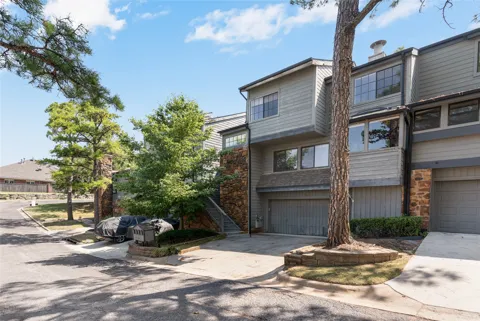
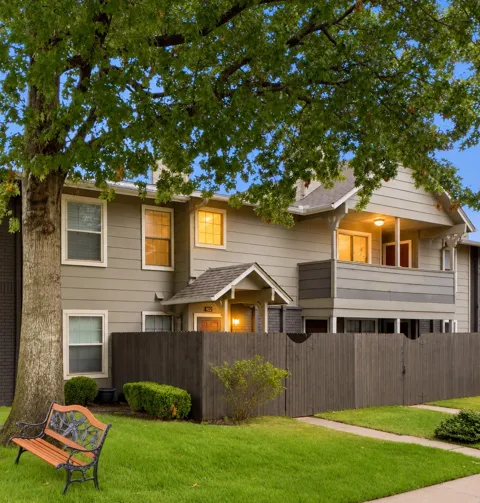
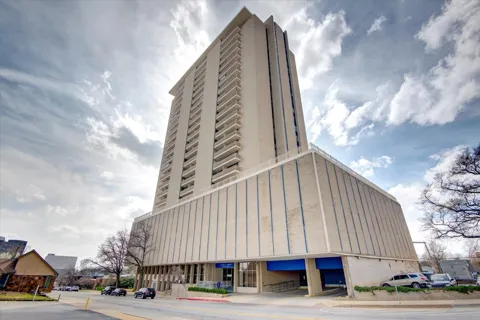
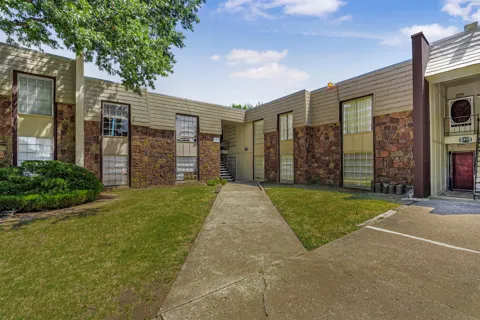
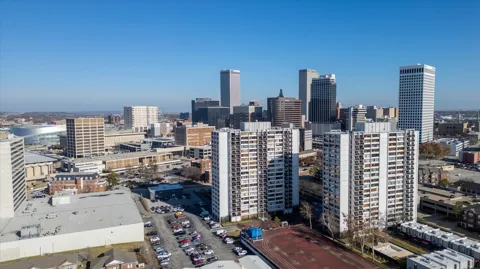
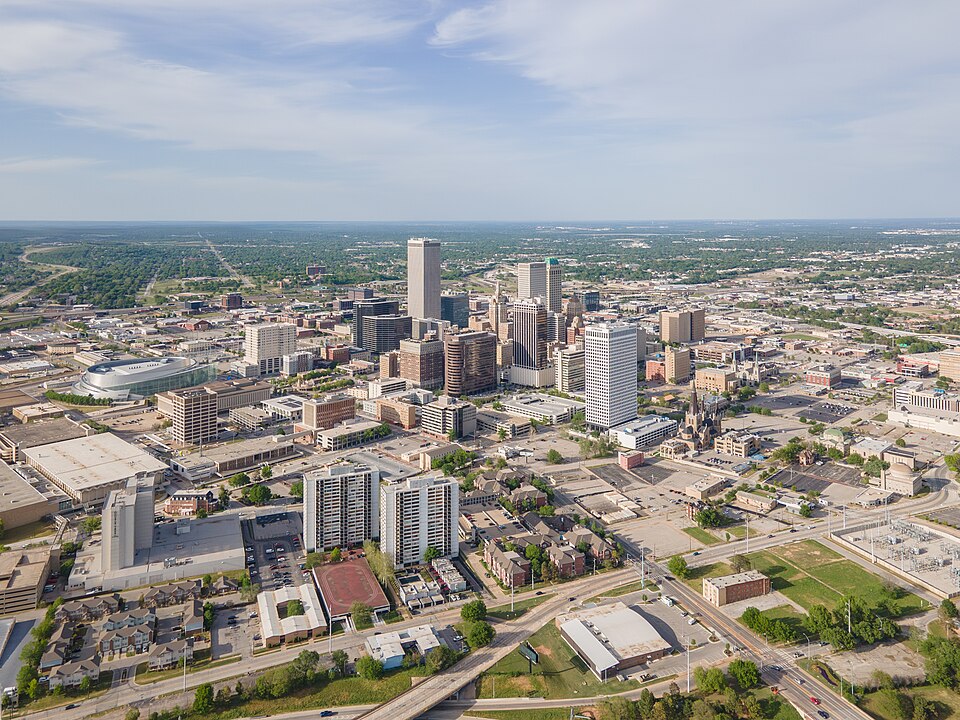
Tulsa is the second-largest city in Oklahoma and the seat of Tulsa County, situated along the Arkansas River in the northeastern part of the state. With a 2020 census population of about 413,000, it anchors a metropolitan area of roughly 1.06 million people that also includes suburbs such as Broken Arrow and Jenks. The city's modern identity flows directly from its early-20th-century oil boom: the discovery of major oil fields around the turn of the century transformed a small trading post into a financial center once known as the "Oil Capital of the World." That boom-era wealth is visible throughout downtown. Tulsa holds one of the country's most significant collections of Art Deco architecture, much of it built between the mid-1920s and early 1940s, and the Oil Capital Historic District preserves dozens of National Register-listed buildings. The skyline's Deco towers and the Cesar Pelli-designed BOK Center arena mark a downtown that has remained the region's commercial and civic heart. Culturally, Tulsa is layered and distinctive. The Greenwood District, once a thriving Black business district known as Black Wall Street, and its 1921 history are commemorated at the Greenwood Rising history center, a defining element of the city's identity. The Philbrook Museum of Art occupies an Italianate villa with 25 acres of gardens, and the Gilcrease Museum houses a major collection of American West art. Route 66 passes through the city, adding another strand of heritage to its streetscape. Residentially, Tulsa spans a wide range of neighborhoods, from the historic homes of Midtown's Maple Ridge and the commercial corridors of Brookside and Cherry Street to newer suburban-style development on the south and east sides. The city's park system is anchored by Gathering Place, a free 66.5-acre riverfront park along the Arkansas River, and by the River Parks trails that follow the waterway. Tulsa suits households seeking a mid-sized city with genuine cultural institutions, a distinctive architectural character, and a comparatively easy commute — most parts of the city are reachable within a short drive. Its combination of oil-boom history, a revitalized arts scene, and riverside recreation gives it a profile unlike any other city in the region.
Get more information about Tulsa
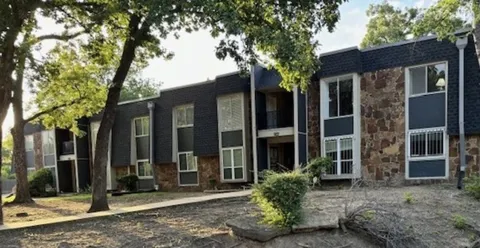
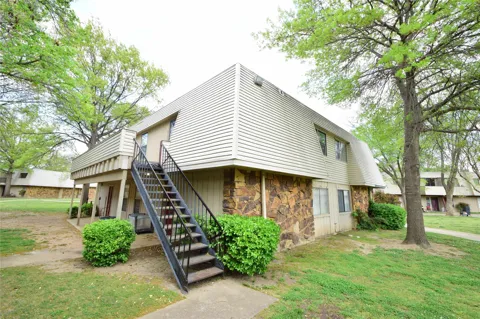
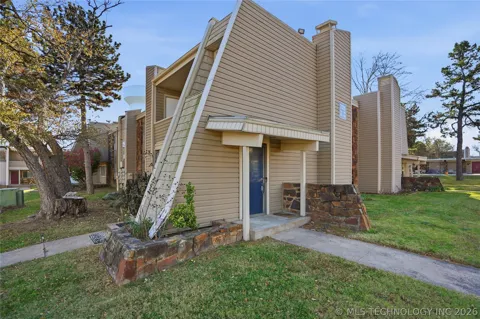
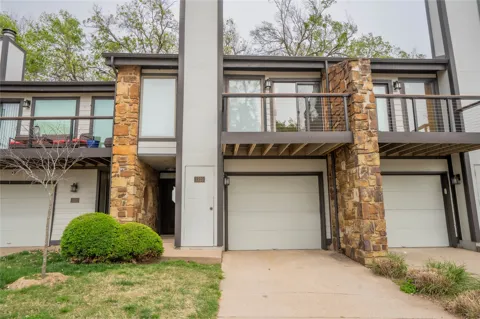
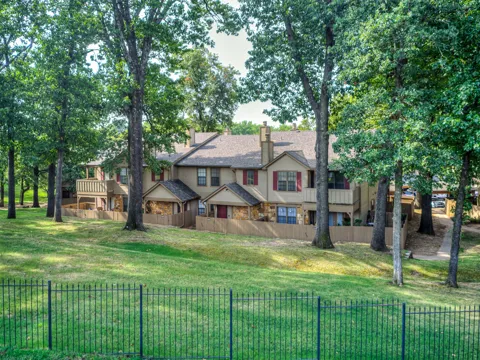
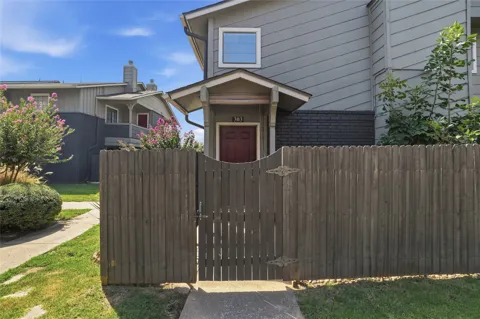
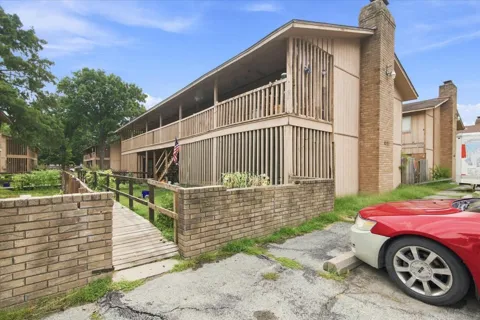
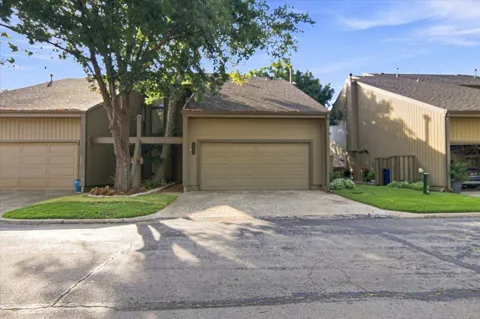
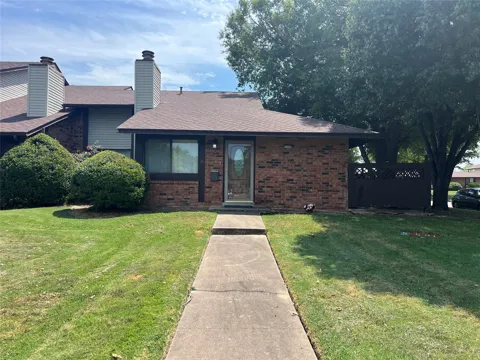
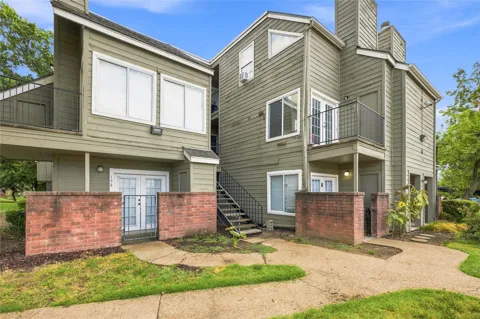
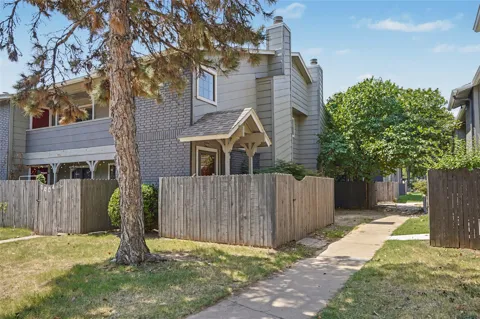
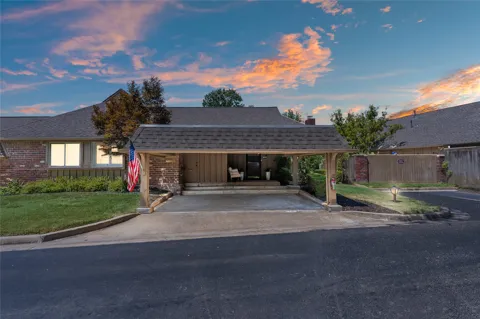
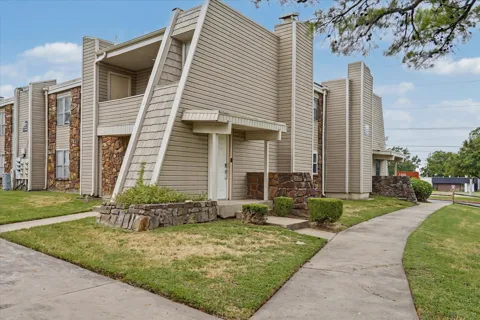
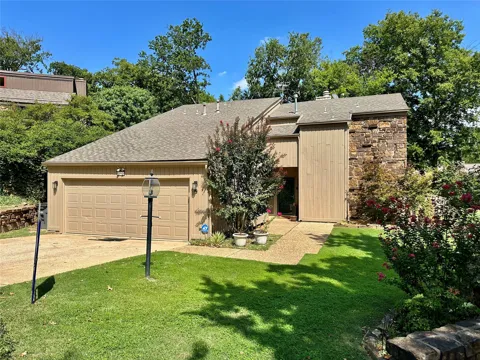
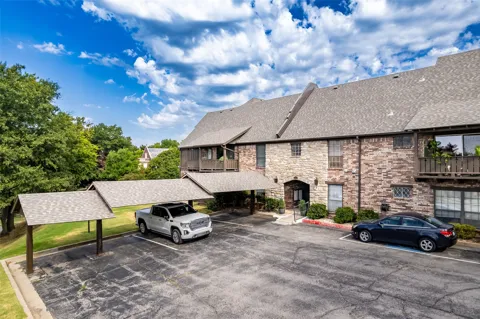
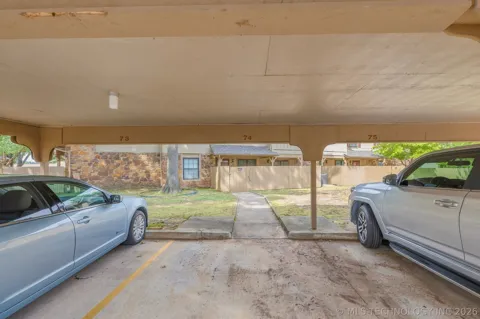
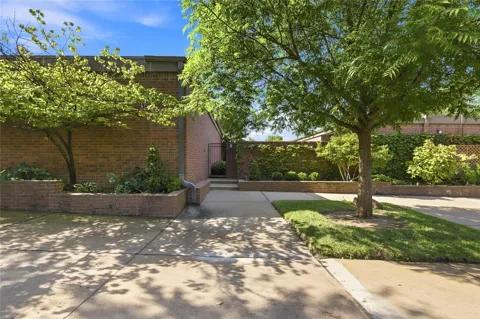
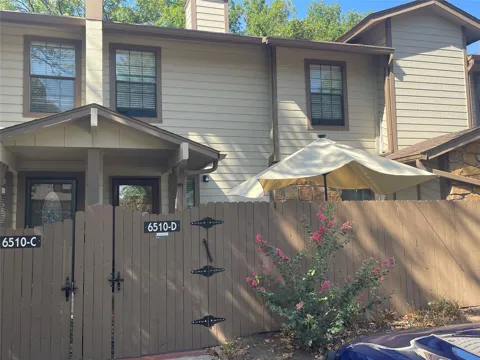
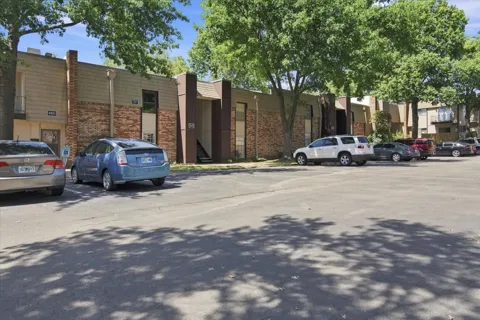
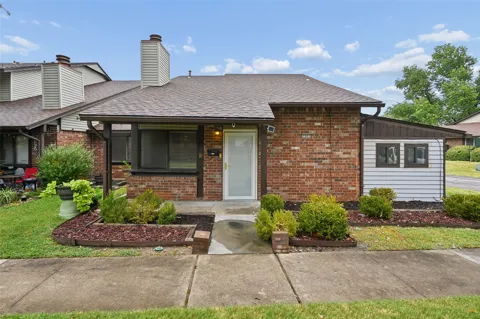
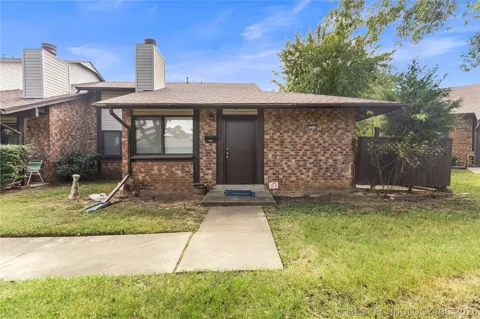
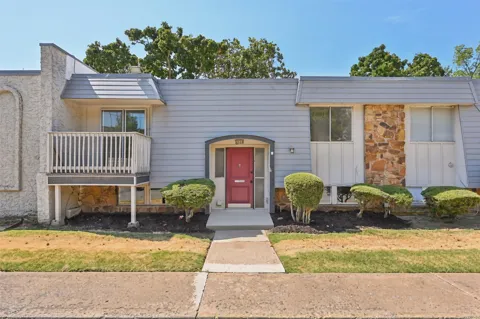
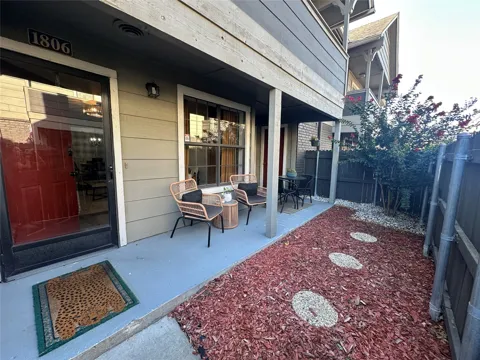
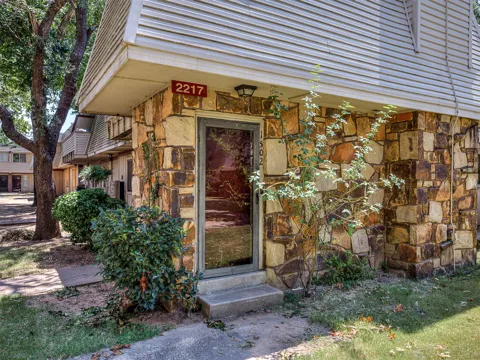
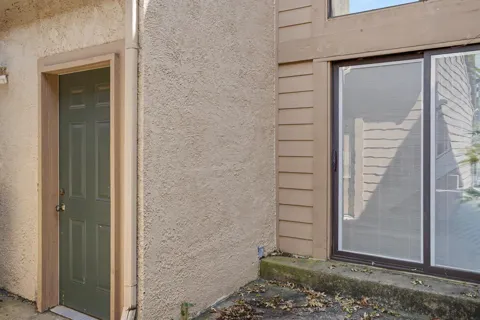
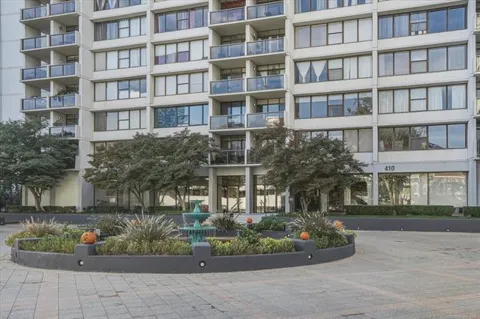
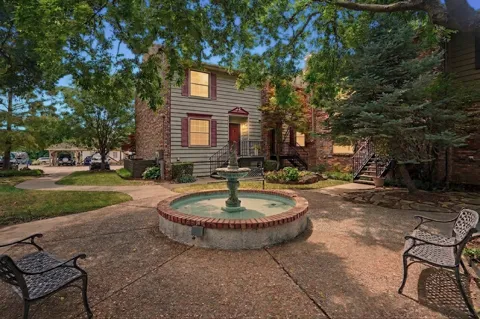
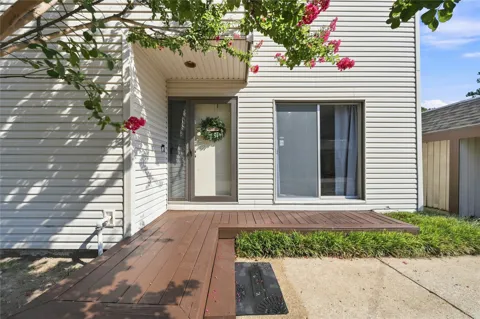
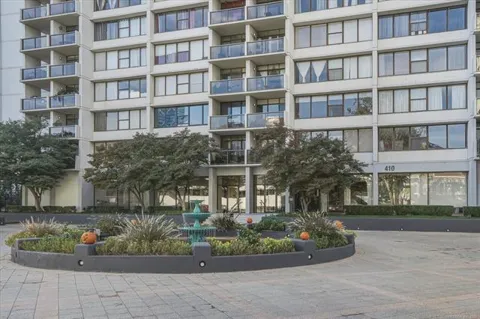
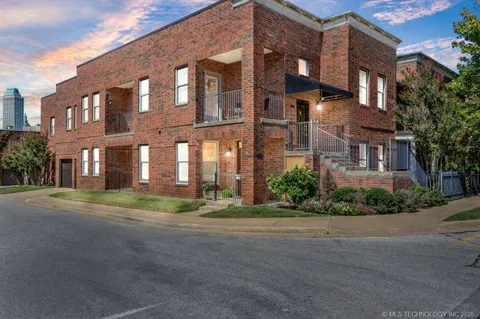
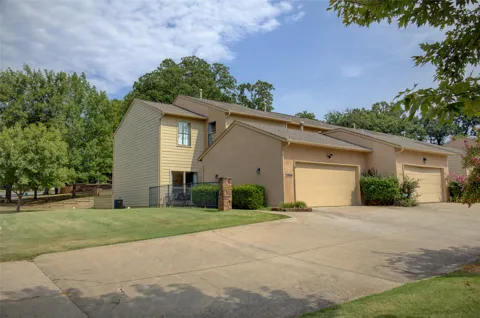
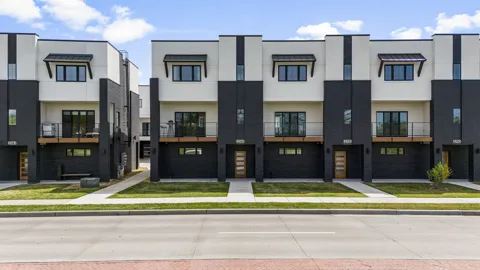
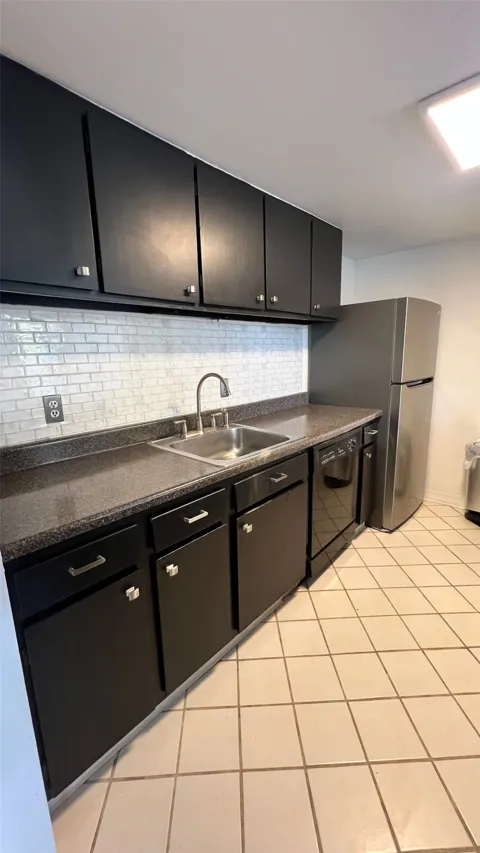
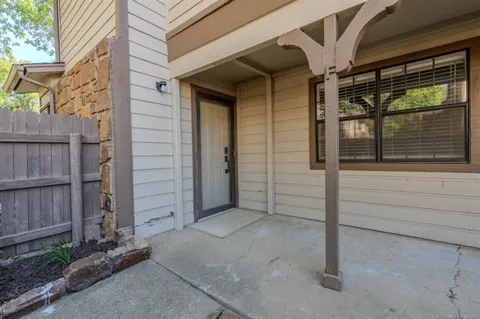
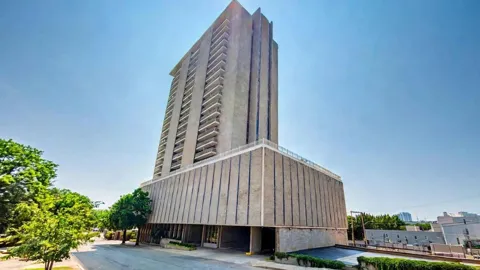
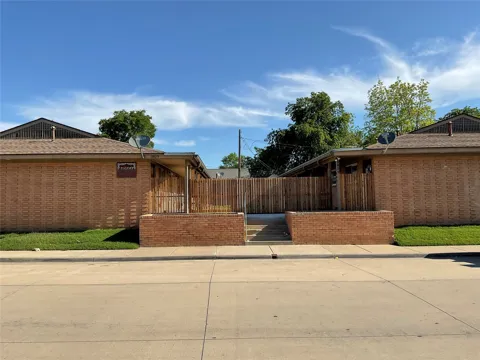
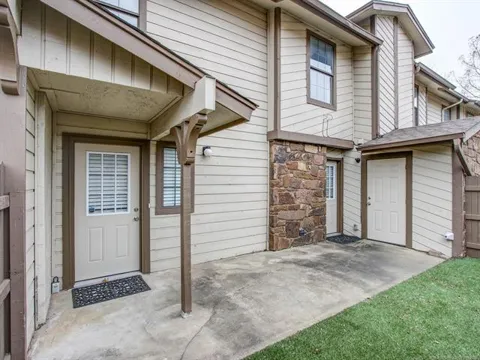
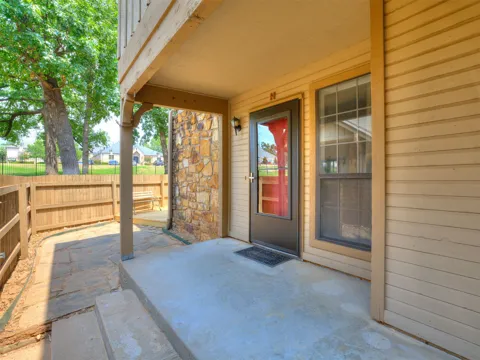
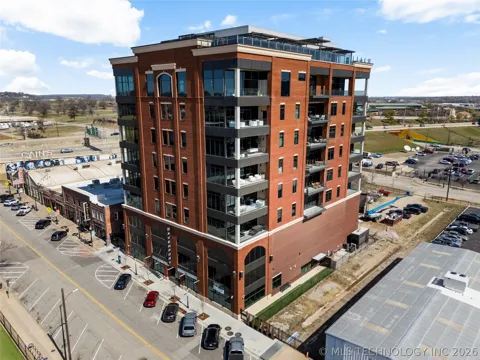
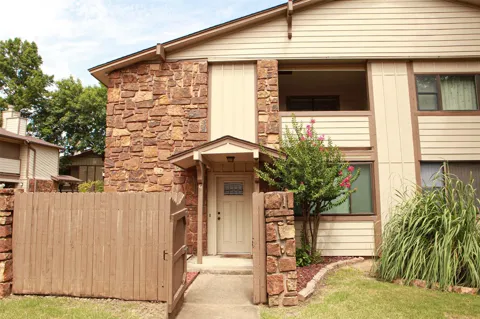
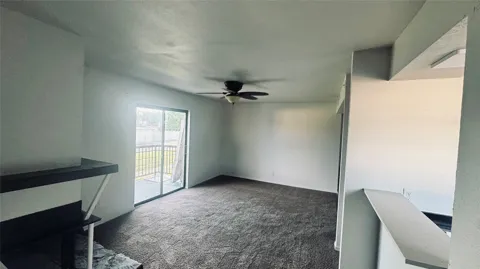
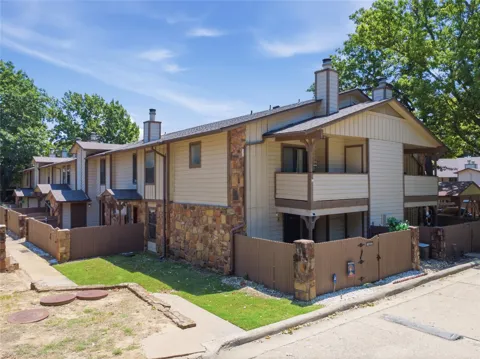
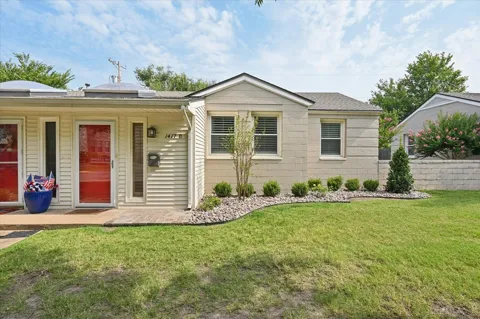
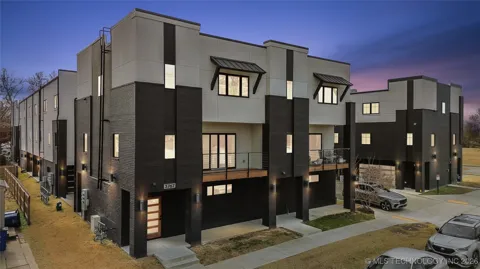
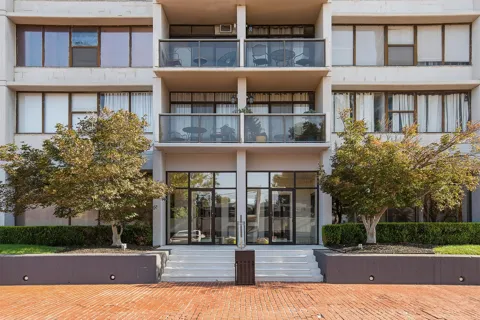
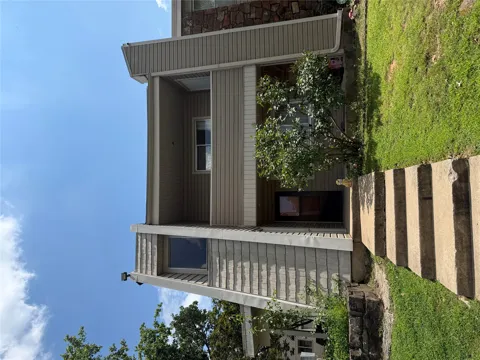
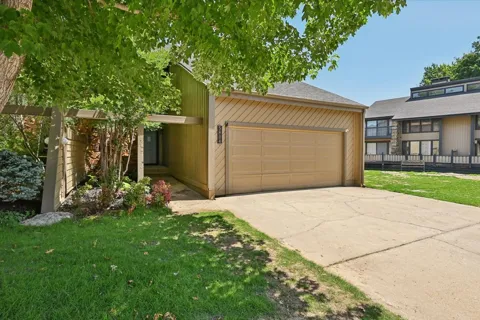
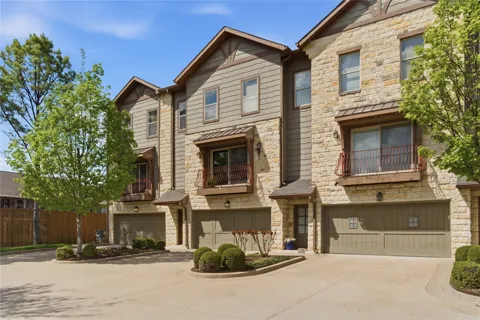
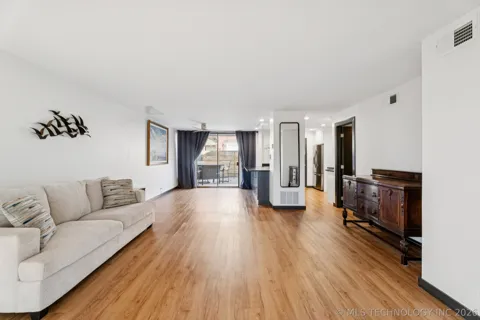
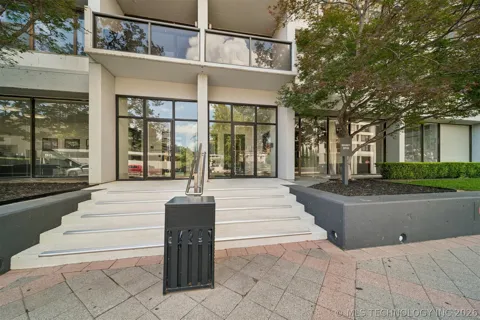
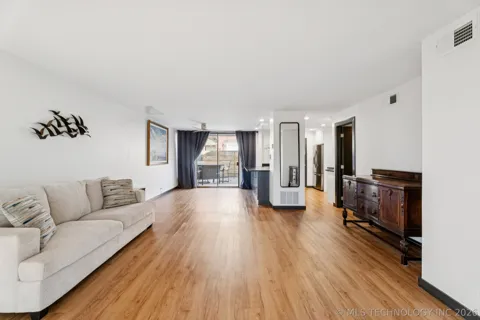
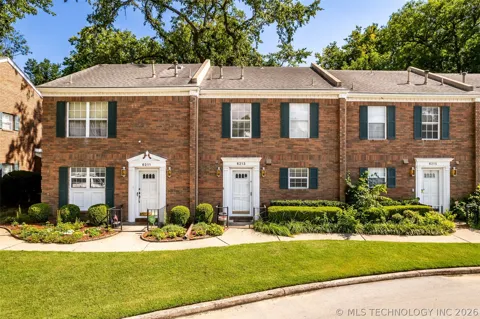
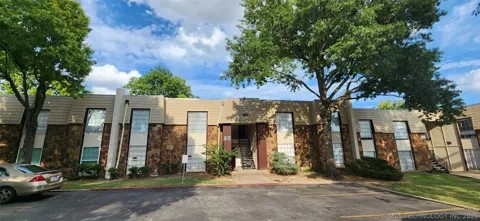
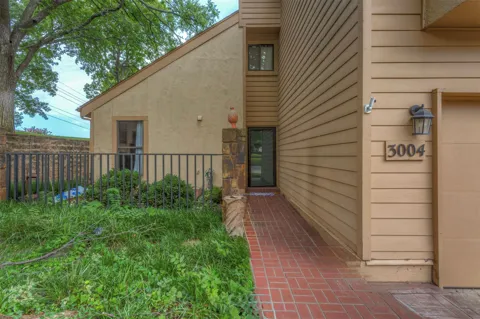
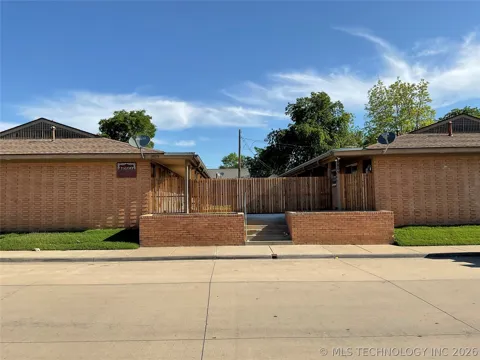
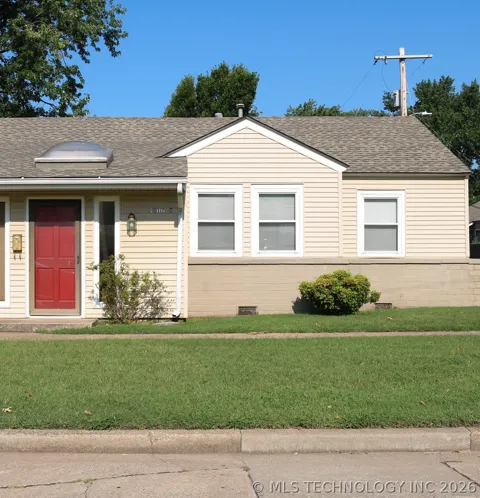
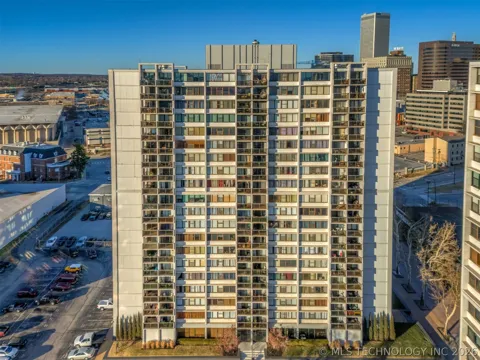
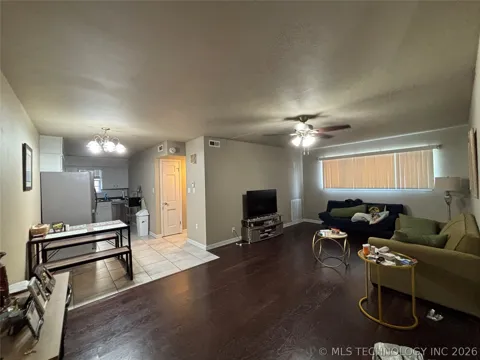
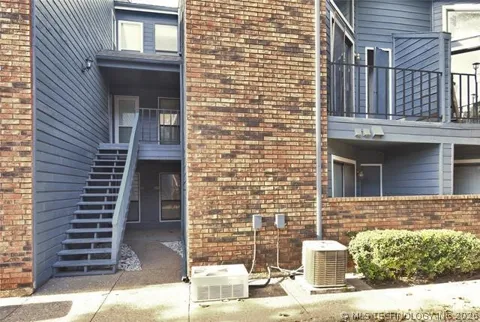
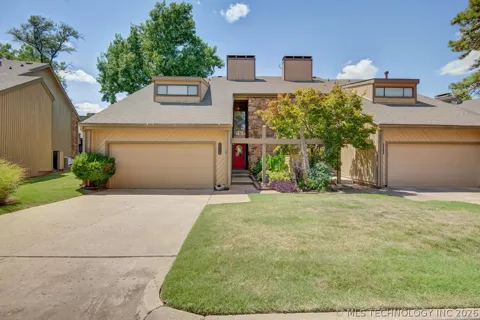
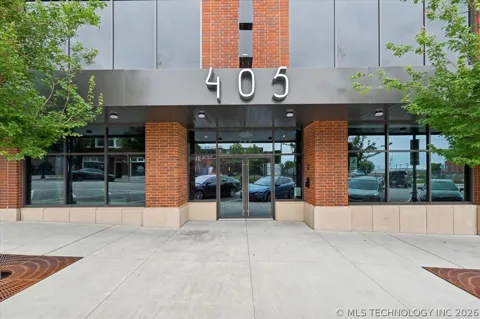
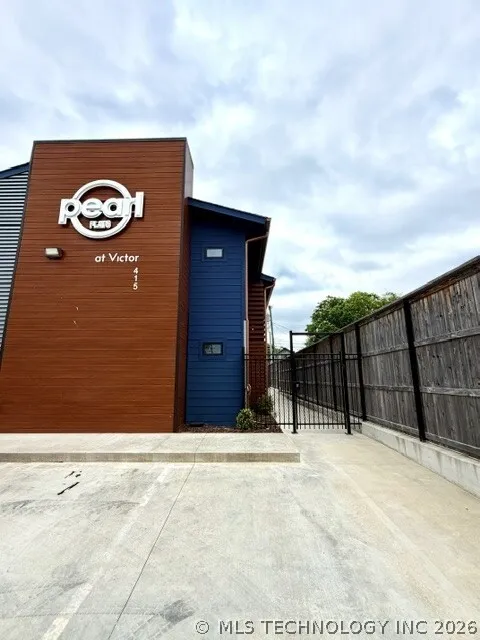
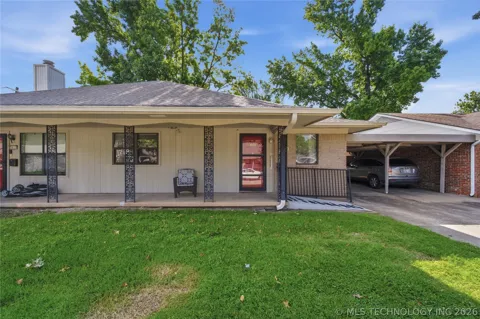
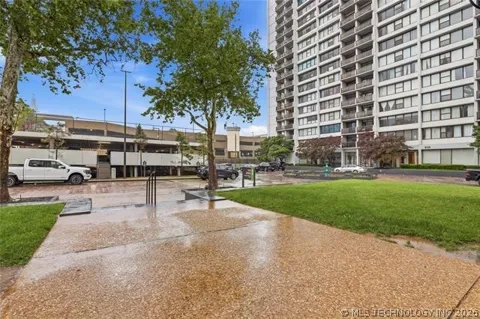
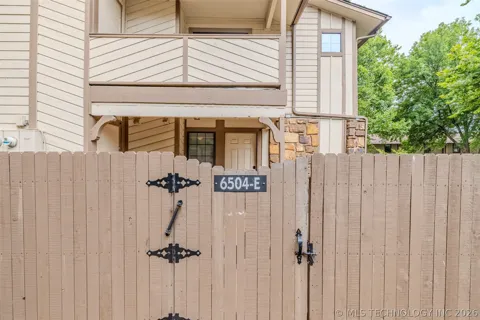
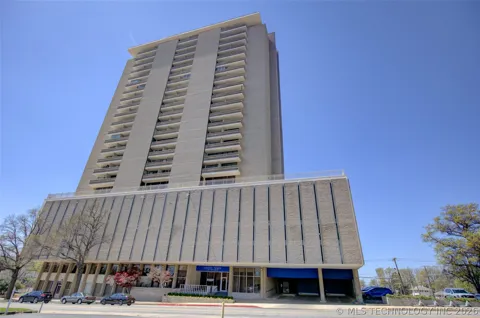
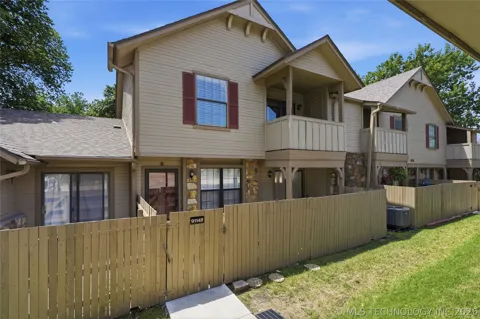
 4 photos
MARKET SNAPSHOT
The Market at a Glance
How homes have been selling here over the last 90 days.
Price & Sales History
Market data reflects closed sales over the last 90 days and is provided for informational purposes.
BROWSE BY ZIP
Zip Codes
Browse listings by postal code in this area.
- Grid
- Map
- List