
State Capital and Aviation Hub
Listings in Oklahoma City, OK
Oklahoma's capital anchors the center of the state, pairing a diversified aviation, energy, and healthcare economy with a re-energized downtown and far-reaching residential districts.
Oklahoma City is the capital of Oklahoma and the anchor of a metropolitan region that stretches across the center of the state. Its municipal boundaries cover portions of Oklahoma, Canadian, Cleveland, and Pottawatomie counties, making it one of the most geographically expansive cities in the United States. Its position at the crossroads of Interstates 35 and 40 has long shaped its role as a transportation and distribution hub for the Southern Plains. The city's economy has broadened well beyond its historic roots in oil and gas. Aviation and aerospace now form the largest sector, led by Tinker Air Force Base, the largest industrial operation in the state, and the Mike Monroney Aeronautical Center, a major Federal Aviation Administration facility. Energy, bioscience, healthcare, and logistics round out the mix, and the city hosts corporate headquarters including Devon Energy, Hobby Lobby, Paycom, and Sonic. This diversification helps the metro weather economic cycles and draws workers from across the region. Downtown Oklahoma City has been reshaped over recent decades by a series of voter-approved public investment programs that turned a faded warehouse district into Bricktown, a canal-side entertainment district with restaurants and venues, connected to the rest of downtown by the OKC Streetcar. The Myriad Botanical Gardens and its Crystal Bridge Conservatory provide a 15-acre green space in the heart of the central business district. To the southwest, Stockyards City preserves the area's western heritage with a working livestock market and western-wear retailers. Residential life extends across a wide range of settings, from the established neighborhoods ringing downtown to suburban communities on the city's north and west edges. The city's large land area means commutes and housing choices vary considerably by quadrant, and the surrounding metro includes the independent cities of Edmond, Moore, Norman, and Midwest City. For many residents, Oklahoma City combines the amenities of a state capital and regional employment center with a comparatively spacious, lower-density pattern of living.
Get more information about Oklahoma City
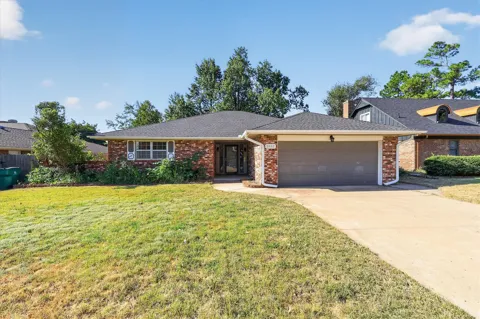
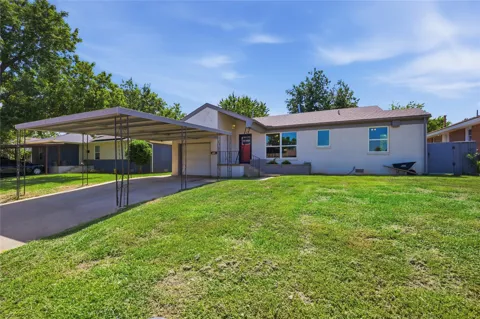
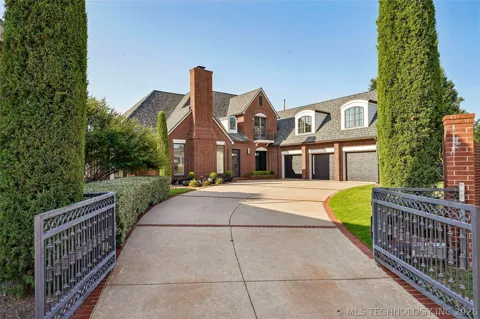
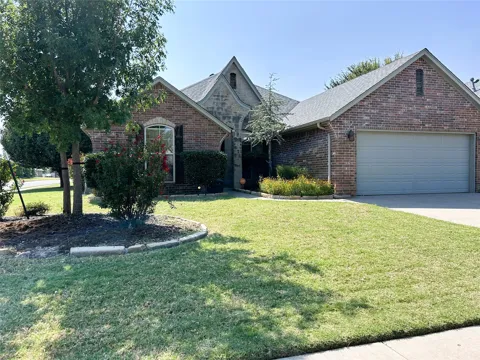
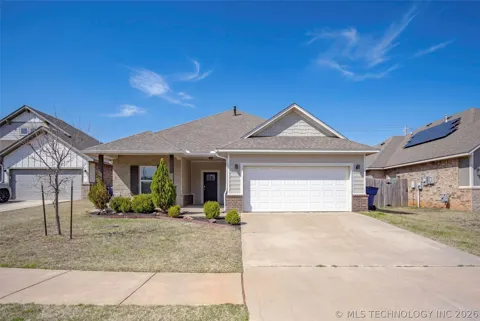
Houses in Oklahoma City, OK
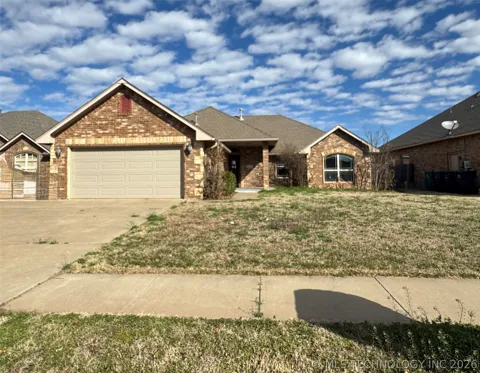
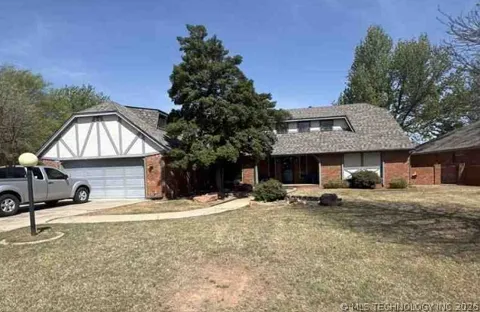
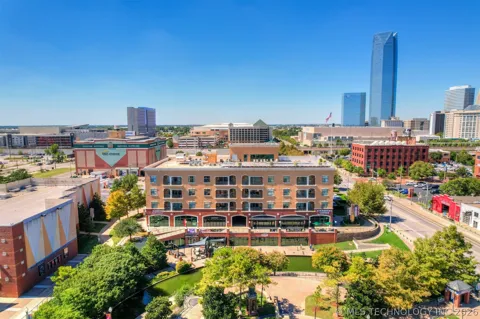
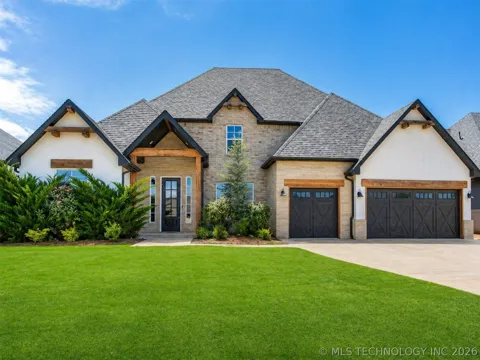
Condos & Apartments in Oklahoma City, OK
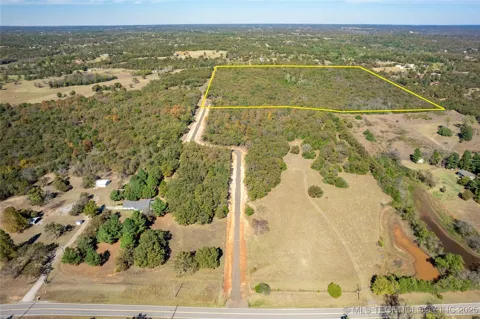
Lots & Land in Oklahoma City, OK
MARKET SNAPSHOT
The Market at a Glance
How homes have been selling here over the last 90 days.
Price & Sales History
Market data reflects closed sales over the last 90 days and is provided for informational purposes.
Zip Codes
BROWSE BY ZIP
Browse listings by postal code in this area.
- Grid
- Map
- List
City Guide
About Oklahoma City
Real Estate & Housing
Oklahoma City's housing stock reflects its expansive boundaries and layered history. The urban core retains early-20th-century neighborhoods with older, established single-family homes, while mid-century subdivisions and ranch-style houses dominate broad swaths of the city that developed after World War II. Newer construction is concentrated on the northern and western edges and in surrounding suburbs, where larger lots and master-planned communities are common. Because the city covers more than 600 square miles, buyers encounter significant variety from one quadrant to the next, from established inner-ring neighborhoods to rural-feeling acreage on the outer fringe. Downtown reinvestment has also supported an expanding supply of in-town residential units near Bricktown and the central business district.
Neighborhoods
Bricktown anchors downtown Oklahoma City with its canal, restaurants, and entertainment venues, connected to the wider core by the OKC Streetcar. Stockyards City, southwest of downtown, remains a working western district with a livestock market and western-wear retailers. Around the central core, the city is ringed by established residential neighborhoods, and at the northern edge sits Nichols Hills, an independent enclave city surrounded by Oklahoma City. The broader metro includes Edmond to the north, Moore and Norman to the south, and Midwest City to the east, each functioning as its own community with distinct character and school systems while sharing the region's employment base.
Lifestyle in Oklahoma City
Life in Oklahoma City balances a revitalized downtown with a laid-back, western-influenced regional culture. Bricktown's canal-side walkways, restaurants, and entertainment venues draw residents and visitors throughout the year, while the Myriad Botanical Gardens host seasonal programming from flower festivals to winter events in the heart of downtown. Stockyards City keeps the city's cowboy heritage alive with a functioning livestock market and western shops. The city's comparatively spacious, lower-density neighborhoods give many residents room to spread out, and the metropolitan area's central location makes regional travel straightforward for recreation and family visits across Oklahoma and north Texas.
Schools & Education
Oklahoma City Public Schools is the largest district serving the city, operating about 58 schools with roughly 33,000 students. Because the city's boundaries span multiple counties and surround several independent suburbs, portions of Oklahoma City also fall within other districts, including Putnam City, Edmond, Moore, and Norman, along with smaller systems such as Crooked Oak and Crutcho. The presence of multiple districts means school attendance depends heavily on a home's specific location within the city. Higher education in the metro includes the University of Oklahoma in Norman and Oklahoma City Community College, among other institutions.
Getting Around
Oklahoma City sits at the junction of Interstates 35 and 40, with Interstate 44 also crossing the metro, and U.S. Highways 77 and 74 providing additional north-south routes. Will Rogers World Airport, southwest of downtown, serves as the region's commercial aviation gateway. Amtrak's Heartland Flyer departs daily from the historic Santa Fe Depot near Bricktown, offering rail service to Fort Worth and connections to the national network. Within the central city, the OKC Streetcar loops through downtown and Bricktown, linking the business district with the entertainment and hotel districts. The city's grid and highway network generally make commuting a car-centric affair, with travel times varying widely by quadrant.
Parks & Recreation
The Myriad Botanical Gardens is downtown Oklahoma City's signature green space, offering 15 acres of ornamental gardens, a children's garden and playground, a lake, walking and jogging paths, splash fountains, and an off-leash dog park, anchored by the Crystal Bridge Conservatory. The Bricktown Canal adds a walkable waterfront through the entertainment district, while Stockyards City offers a distinctive western experience with its livestock market and cowboy culture. Across the broader metro, recreation extends from municipal and regional parks to the recreational lakes of central Oklahoma, giving residents a mix of in-town and outdoors-oriented options.
About Oklahoma City
Frequently asked questions
What county is Oklahoma City in?
Oklahoma City's core lies in Oklahoma County, but its large municipal boundaries also extend into Canadian, Cleveland, and Pottawatomie counties. This multi-county footprint reflects the city's status as one of the largest cities in the United States by land area, covering more than 600 square miles. That size means county services, school districts, and community character can vary from one part of the city to another.
What is Oklahoma City known for?
Oklahoma City is the state capital and a regional center for aviation and aerospace, anchored by Tinker Air Force Base and the Federal Aviation Administration's Mike Monroney Aeronautical Center. Downtown is known for Bricktown, a canal-side entertainment district, and the Myriad Botanical Gardens, while Stockyards City preserves the area's western heritage. The metro also hosts corporate headquarters including Devon Energy, Hobby Lobby, Paycom, and Sonic.
What school districts serve Oklahoma City?
Oklahoma City Public Schools covers much of the city, operating about 58 schools with roughly 33,000 students. Because the city spans multiple counties and surrounds several suburbs, portions also fall within independent districts such as Putnam City, Edmond, Moore, and Norman, along with smaller systems like Crooked Oak and Crutcho. A home's assigned district depends on its specific location within the city.
How does Oklahoma City connect to the wider region?
Oklahoma City sits at the intersection of Interstates 35 and 40, with Interstate 44 also passing through the metro. Will Rogers World Airport provides commercial air service southwest of downtown, and Amtrak's Heartland Flyer links the Santa Fe Depot near Bricktown to Fort Worth. Within the central city, the OKC Streetcar circulates through downtown and the Bricktown entertainment district.
What is there to do downtown in Oklahoma City?
Downtown Oklahoma City centers on Bricktown, a former warehouse district turned entertainment hub with a canal, restaurants, and venues, connected to the core by the OKC Streetcar. Nearby, the Myriad Botanical Gardens and Crystal Bridge Conservatory offer 15 acres of gardens, a children's area, and seasonal events. Stockyards City, a short distance southwest of downtown, showcases the city's western heritage.
Still have questions about Oklahoma City?
Get in touchExplore the area
