
Northeastern Oklahoma County Seat
Listings in Miami, OK
Welcome to Miami, an Ottawa County seat on historic Route 66 known for the Coleman Theatre and its roots as a lead-and-zinc mining town.
Miami is the county seat of Ottawa County, Oklahoma, located in the far northeastern corner of the state near the Kansas and Missouri borders. With a population of roughly 12,800, it is the largest city in the county and serves as the region's commercial and governmental center. Its name, pronounced "my-AM-uh," reflects the Miami people and distinguishes the Oklahoma city from its far larger Florida namesake. The city's modern identity was shaped by the Tri-State lead and zinc mining district. In the early 20th century, Miami grew rapidly as a mining center, and that prosperity left a lasting architectural mark, most notably the Coleman Theatre, a 1929 Spanish Colonial Revival movie palace built by local mining magnate George Coleman along Main Street and historic Route 66. As mining declined, the city's economy diversified into agriculture, light industry, and education. Northeastern Oklahoma A&M College, a public two-year residential college founded in 1919 as the Miami School of Mines, anchors the city's educational and cultural life. The county itself is named for the Ottawa Tribe of Oklahoma, and the federally recognized Modoc Nation is also based in the area, giving the region a strong Native American heritage. Today Miami functions as a small but complete county seat, with a historic downtown, a municipal parks system spanning more than 350 acres, and the Miami Fairgrounds as a venue for rodeos and community events. It suits residents seeking the pace and affordability of a small northeastern Oklahoma city, with Route 66 heritage, a college presence, and easy access to the broader Four Corners region of Oklahoma, Kansas, and Missouri.
Get more information about Miami
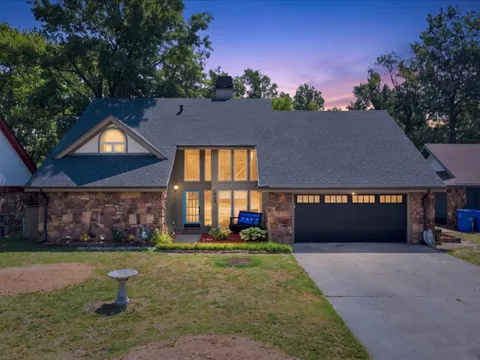
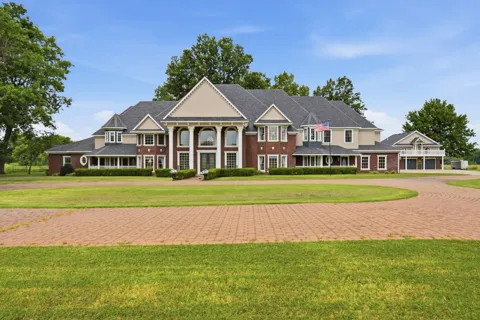
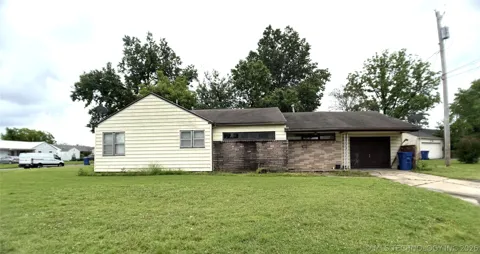
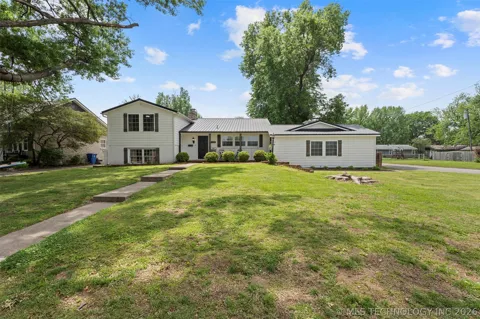
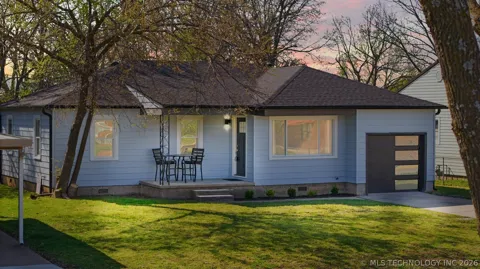
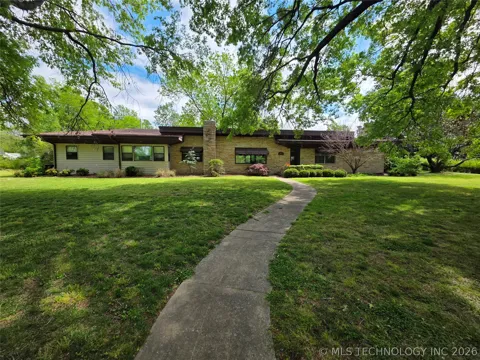
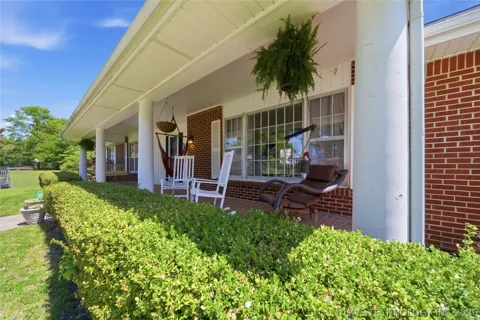
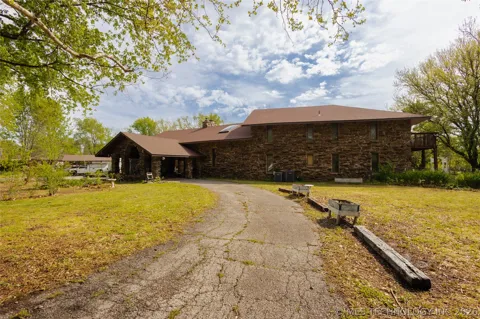
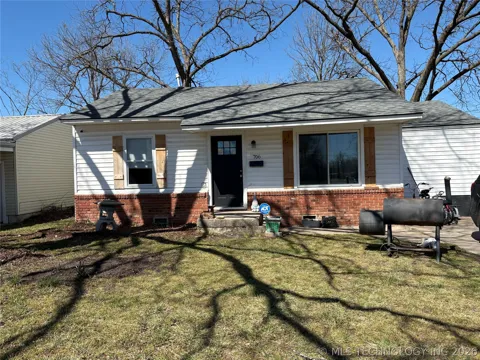
Houses in Miami, OK
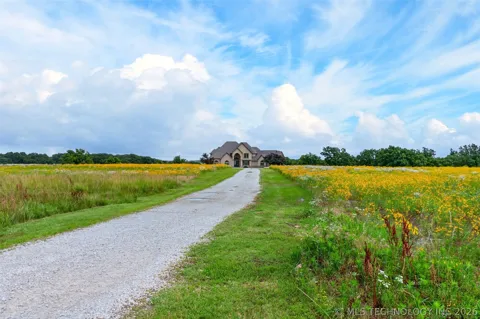
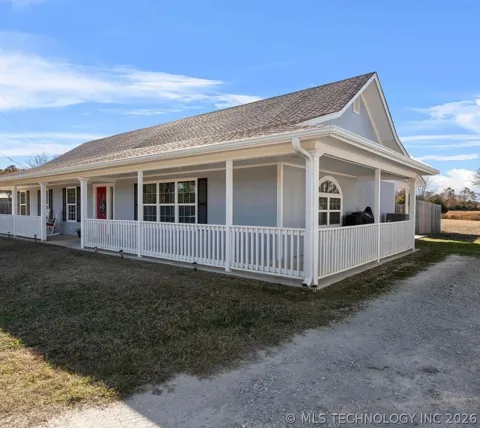
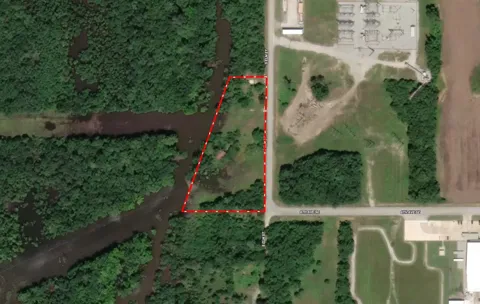
Lots & Land in Miami, OK
MARKET SNAPSHOT
The Market at a Glance
How homes have been selling here over the last 90 days.
Price & Sales History
Market data reflects closed sales over the last 90 days and is provided for informational purposes.
Zip Codes
BROWSE BY ZIP
Browse listings by postal code in this area.
- Grid
- Map
- List
City Guide
About Miami
Real Estate & Housing
Miami's housing stock reflects its mining-era boom and later stability. The city's older core contains early-20th-century homes built during the lead-and-zinc years, including Craftsman and bungalow styles, while the surrounding streets hold a mix of mid-century ranches and later single-family construction. Because Miami is a county seat with a college and a stable employment base, the market spans from modest older homes to larger established houses on the city's edges. The overall character is that of a small, affordable Oklahoma county seat with historic bones and room to grow, rather than a fast-developing suburb.
Neighborhoods
Miami's layout centers on Main Street, the historic Route 66 corridor, where the Coleman Theatre anchors a compact downtown of commercial buildings. Residential neighborhoods radiate outward from this core, with older housing near downtown and newer subdivisions spreading toward the city's edges and the campus of Northeastern Oklahoma A&M College. The presence of the college creates a student-oriented district nearby, while the fairgrounds and sports complexes anchor the recreational geography. Miami reads as a classic small Oklahoma city, with a distinct downtown, established residential blocks, and growth concentrated at the perimeter.
Lifestyle in Miami
Life in Miami blends small-town Oklahoma character with Route 66 nostalgia. The downtown, anchored by the restored Coleman Theatre along Main Street, preserves the city's historic spine, while local diners, antique shops, and the annual tourism tied to the Mother Road give the community a distinctive identity. Northeastern Oklahoma A&M College brings students and athletic events into town, and the Miami Fairgrounds, built by the Works Progress Administration, hosts rodeos, fairs, and western-themed gatherings. The presence of tribal governments and a largely agricultural and light-industrial employment base gives Miami a steady, working-town rhythm that differs from Oklahoma's larger metro centers.
Schools & Education
Miami's educational anchor is Northeastern Oklahoma A&M College, a public two-year residential college that began as the Miami School of Mines in 1919 and now offers freshman- and sophomore-level coursework with transfer pathways to four-year institutions. The city's public schools are operated by the Miami Public Schools system, serving students from elementary through high school. The combination of a local public district and a residential community college gives Miami an educational depth unusual for a city of its size, and the college contributes students, jobs, and athletic programs to the broader community.
Getting Around
Miami sits on the historic alignment of U.S. Route 66 and is served by the modern highway network of northeastern Oklahoma, including U.S. Highway 69, which runs through the city and links it to Tulsa and the Kansas border. The Will Rogers Turnpike (Interstate 44) passes nearby, connecting the region to Tulsa to the southwest and Joplin, Missouri, to the northeast. This position gives Miami direct access to regional employment and travel markets across Oklahoma, Kansas, and Missouri, reinforcing its role as a county seat and commercial hub for the Four Corners region.
Parks & Recreation
Miami's recreation centers on a municipal park system of 11 parks, five sports complexes, four walking tracks, and several attractions covering more than 350 acres. The Miami Fairgrounds, originally constructed by the Works Progress Administration, hosts rodeos, horse events, carnivals, and fairs with a distinctly western character. The city's sports complexes and walking tracks support youth leagues and community fitness, while the nearby lakes and rivers of northeastern Oklahoma extend outdoor options beyond city limits. Route 66 itself functions as a recreational and cultural draw, bringing travelers through the historic downtown.
About Miami
Frequently asked questions
How is Miami, Oklahoma pronounced?
Miami is pronounced 'my-AM-uh,' a pronunciation derived from the Miami people rather than the Florida city. It is the county seat of Ottawa County in the far northeastern corner of Oklahoma.
What county is Miami, Oklahoma in?
Miami is the county seat of Ottawa County, Oklahoma, located in the state's northeastern corner near the borders of Kansas and Missouri. It is the largest city in the county.
What is Miami, Oklahoma known for?
Miami is known for its Route 66 heritage and the Coleman Theatre, a 1929 Spanish Colonial Revival movie palace built by mining magnate George Coleman. The city also grew from early 20th-century lead-and-zinc mining.
What college is located in Miami, Oklahoma?
Northeastern Oklahoma A&M College, a public two-year residential college, is located in Miami. It was founded as the Miami School of Mines in 1919 before becoming a junior college as mining declined in importance.
Still have questions about Miami?
Get in touchExplore the area
